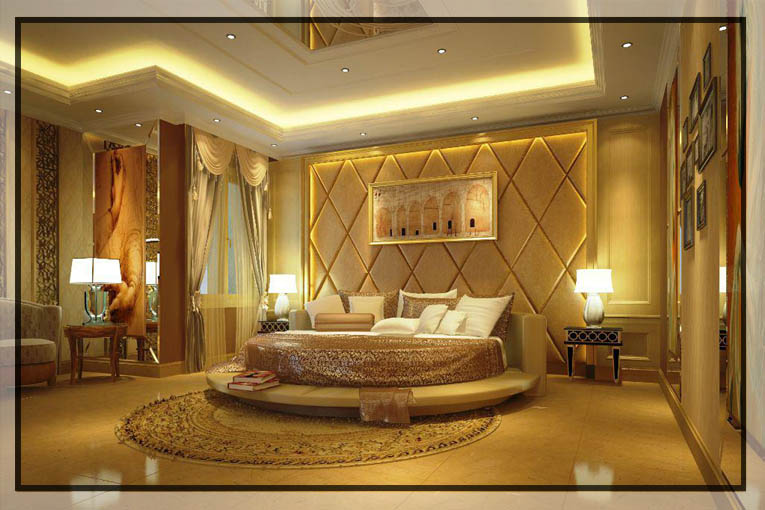
Premier_destinations_and_Hard_Rock_Casino_redefine_luxury_gaming_experiences
- Premier destinations and Hard Rock Casino redefine luxury gaming experiences
- The Evolution of Gaming and Entertainment
- The Role of Music and Branding
- The Significance of Location and Resort Design
- Trends in Resort Architecture and Design
- The Impact of Technology on the Gaming Experience
- The Rise of Esports and Virtual Reality Gaming
- Responsible Gaming and Community Engagement
- The Future of Integrated Resort Experiences
Premier destinations and Hard Rock Casino redefine luxury gaming experiences
The allure of a thrilling getaway and the sophisticated world of gaming often converge at a hard rock casino, and these destinations have continually redefined the luxury entertainment experience. More than just gambling establishments, they represent immersive resorts offering a vibrant blend of music, entertainment, and high-end hospitality. These integrated resorts cater to a diverse clientele, ranging from seasoned gamblers to those seeking a complete vacation experience, and have become significant contributors to the tourism industry in their respective locations.
The evolution of these establishments reflects changing consumer preferences and technological advancements. What began as simple gaming halls has transformed into sprawling complexes featuring world-class hotels, gourmet restaurants, live music venues, and premium shopping experiences. This shift underscores a broader trend within the hospitality industry towards creating holistic entertainment destinations that appeal to a wider range of interests and demographics, solidifying their position as premier leisure destinations.
The Evolution of Gaming and Entertainment
The history of gaming and entertainment is deeply intertwined with the development of these establishments. Initially, casinos emerged as discreet locations for those seeking games of chance. However, over time, they began to recognize the potential of attracting a larger audience by incorporating entertainment options. The introduction of live music, stage shows, and elaborate themed environments transformed the casino experience from a solitary pursuit into a social and immersive event. This progression was further accelerated by the rise of integrated resorts, which combined gaming with luxury accommodations, dining, and retail, creating a one-stop destination for leisure travelers. The entertainment component became less of an add-on and more of a core element, driving foot traffic and increasing overall revenue.
Today, modern casinos and resorts invest heavily in state-of-the-art technology to enhance the guest experience. Digital gaming platforms, mobile betting apps, and interactive casino floors are becoming increasingly commonplace. Moreover, the integration of virtual reality (VR) and augmented reality (AR) technologies is poised to revolutionize the gaming landscape further, offering players entirely new levels of immersion and engagement. The strategic use of data analytics also plays a crucial role in personalizing the guest experience, allowing operators to tailor offers and services to individual preferences, ultimately fostering customer loyalty.
The Role of Music and Branding
Many leading gaming destinations have strategically aligned themselves with the music industry, recognizing its power to attract and engage a core demographic. The Hard Rock brand, for example, is synonymous with rock and roll memorabilia, creating a unique and memorable atmosphere for its guests. Live concerts, music festivals, and themed events are frequently hosted, drawing large crowds and generating significant publicity. This synergy between music and gaming enhances the overall entertainment value, differentiating these establishments from their competitors. A strong brand identity, coupled with consistently high-quality entertainment, cultivates a loyal following and reinforces the destination’s reputation as a premier leisure and entertainment hub.
The careful curation of the musical experience is key. From showcasing established artists to providing a platform for emerging talent, these venues create an atmosphere that appeals to a broad range of musical tastes. The integration of music isn't limited to live performances; it extends to the overall ambiance, with thoughtfully selected soundtracks and themed décor that further immerse guests in the rock and roll lifestyle. This commitment to musical excellence adds a unique dimension to the gaming experience.
| Casino Feature | Impact on Guest Experience |
|---|---|
| Luxury Accommodations | Enhanced comfort and convenience, attracting a higher-spending clientele. |
| Gourmet Dining | Provides a diverse culinary experience, catering to sophisticated palates. |
| Live Entertainment | Creates a vibrant atmosphere and attracts a broader audience. |
| Retail Shopping | Offers a convenient opportunity for guests to indulge in shopping. |
The table above illustrates how integrating diverse amenities contributes to a more fulfilling experience for patrons, moving beyond simple gaming to offer a complete resort experience. These elements synergistically work to create a destination that is memorable and attractive to a wide demographic.
The Significance of Location and Resort Design
A prime location is paramount to the success of a hard rock casino or any comparable resort. Proximity to major transportation hubs, such as airports and highways, ensures convenient access for both domestic and international travelers. Coastal locations, historic cities, or areas renowned for their natural beauty often provide a compelling backdrop, enhancing the overall allure of the destination. Furthermore, the local regulatory environment and tax incentives can significantly influence the feasibility and profitability of a resort project. A favorable regulatory climate and strategic tax benefits can make a location particularly attractive to developers and investors. Understanding the interplay between these factors is essential for selecting an optimal site.
The design of the resort itself plays a crucial role in creating a memorable and immersive experience. The architectural style, interior décor, and landscaping should reflect the overall brand identity and target audience. Attention to detail is paramount, with every element carefully considered to create a cohesive and visually appealing environment. The layout of the resort should also be thoughtfully planned to optimize flow and convenience, ensuring that guests can easily navigate between different amenities. Creating a sense of place – reflecting the local culture and environment – can also enhance the guest experience and foster a deeper connection with the destination.
Trends in Resort Architecture and Design
Contemporary resort design emphasizes sustainability, incorporating eco-friendly materials and energy-efficient technologies. Green building practices, such as rainwater harvesting and solar energy utilization, are becoming increasingly prevalent, reflecting a growing commitment to environmental responsibility. The integration of biophilic design principles – incorporating natural elements and patterns into the built environment – is also gaining traction, as studies have shown that exposure to nature can reduce stress and enhance well-being. Another rising trend is the creation of experiential spaces designed to evoke strong emotions and create lasting memories. This might include interactive art installations, themed environments, or immersive dining experiences.
Furthermore, technology is being seamlessly integrated into resort design to enhance convenience and personalization. Smart room technology, allowing guests to control lighting, temperature, and entertainment systems with a simple voice command, is becoming increasingly common. Digital signage and interactive kiosks provide guests with easy access to information and directions. These technological advancements aim to streamline the guest experience and provide a greater level of control and customization.
- Emphasis on Sustainability: Utilizing eco-friendly materials and energy-efficient technologies.
- Biophilic Design: Integrating natural elements to promote well-being.
- Experiential Spaces: Creating immersive and emotionally resonant environments.
- Smart Room Technology: Providing guests with greater control and convenience.
These innovations demonstrate a shift towards creating resorts that are not only aesthetically pleasing but also environmentally responsible and technologically advanced, enhancing the overall guest experience and appealing to a more discerning traveler.
The Impact of Technology on the Gaming Experience
Technology has fundamentally reshaped the gaming industry, influencing everything from game development to casino operations. The advent of online gaming and mobile betting apps has expanded access to gambling beyond the confines of traditional brick-and-mortar casinos. This has created a more competitive landscape, forcing operators to innovate and adapt to changing consumer preferences. Data analytics plays a crucial role in understanding player behavior, allowing casinos to personalize marketing efforts, optimize game offerings, and improve customer service. Furthermore, sophisticated security systems are employed to protect against fraud and ensure fair play. The continuous evolution of technology requires operators to invest heavily in research and development to remain at the forefront of the industry. The integration of blockchain technology, for example, is being explored as a means of enhancing transparency and security in online gaming.
Beyond online gaming, technology is also transforming the in-casino experience. Electronic table games, incorporating automated dealing and betting, offer a faster and more efficient alternative to traditional table games. Interactive casino floors, featuring immersive displays and personalized gaming consoles, create a more engaging and entertaining atmosphere. The use of facial recognition technology can also enhance security and personalize the guest experience. These technological advancements aim to attract a younger demographic and appeal to players who are accustomed to a high level of digital sophistication.
The Rise of Esports and Virtual Reality Gaming
The growing popularity of esports is creating new opportunities for gaming destinations. Dedicated esports arenas and viewing lounges are becoming increasingly common, attracting a large and engaged audience. Casinos are also exploring ways to integrate esports betting into their offerings, capitalizing on the burgeoning esports market. Virtual reality (VR) gaming represents another exciting frontier. VR casinos offer players a truly immersive and interactive gaming experience, allowing them to feel as if they are physically present in a real-world casino environment. The development of haptic technology, which provides tactile feedback, further enhances the sense of realism. As VR technology continues to evolve, it has the potential to revolutionize the gaming landscape and attract a new generation of players.
The convergence of traditional gaming with esports and VR gaming represents a significant shift in the industry, blurring the lines between the physical and digital worlds. This integration requires operators to embrace new technologies and adapt their business models to cater to evolving consumer preferences. The ability to offer a diverse range of gaming experiences, from traditional casino games to esports and VR simulations, will be a key differentiator in the increasingly competitive market.
- Invest in Data Analytics to personalize the customer experience.
- Develop Mobile Betting Applications for convenient access.
- Integrate Esports Arenas and Betting Options.
- Explore Virtual Reality Gaming Experiences.
These steps demonstrate proactive adaptation to the changing landscape, ensuring long-term relevance and growth in a dynamically evolving domain.
Responsible Gaming and Community Engagement
A commitment to responsible gaming is paramount for any reputable hard rock casino. This includes implementing measures to prevent underage gambling, providing resources for problem gamblers, and promoting responsible gaming practices among employees and patrons. Self-exclusion programs, allowing individuals to voluntarily ban themselves from casinos, are becoming increasingly common. Training programs for casino staff ensure that they are equipped to recognize and assist individuals who may be exhibiting signs of problem gambling. Collaboration with local community organizations and mental health professionals is also crucial in providing support to those affected by gambling addiction. A proactive approach to responsible gaming demonstrates a commitment to the well-being of the community and enhances the casino’s reputation.
Beyond responsible gaming, casinos also play an important role in community engagement. Supporting local charities, sponsoring community events, and creating employment opportunities are all ways that casinos can contribute to the economic and social vitality of their surrounding areas. Investing in local infrastructure and promoting tourism can also benefit the community. Building strong relationships with local stakeholders is essential for fostering a positive and mutually beneficial relationship between the casino and the community.
The Future of Integrated Resort Experiences
The future of integrated resort experiences is likely to be shaped by several key trends, including advancements in technology, shifting consumer preferences, and a growing emphasis on sustainability. We can anticipate the proliferation of personalized experiences, catering to individual needs and preferences through the use of data analytics and artificial intelligence. The integration of augmented reality (AR) technology will further blur the lines between the physical and digital worlds, creating immersive and interactive environments. The demand for sustainable and eco-friendly resorts will continue to grow, driving innovation in green building practices and responsible resource management. The convergence of gaming, entertainment, and hospitality will become even more seamless, offering guests a truly holistic and unforgettable experience.
Consider the example of Las Vegas, which has continually reinvented itself to remain a premier destination. From its early days as a gambling mecca to its current status as a global entertainment capital, Las Vegas has consistently adapted to changing consumer trends and embraced innovation. The continued evolution of destinations like Las Vegas demonstrates the power of reinvention and the importance of staying ahead of the curve in a dynamic and competitive industry. Integrated resorts will increasingly strive to become “destinations within destinations,” offering a diverse range of experiences that appeal to a broad audience and foster long-term customer loyalty.